How to Buy Your First Home: 2026 Complete Guide for Beginners
27 min read · 5953 words
🎯 Key Takeaways
What I Learned the Hard Way
Mistakes from David Chen's firsthand experience — so you can skip them.
1 You don’t need 20% down (stop waiting)
When I bought my first place, I thought 20% down was non-negotiable. I wasted three years saving extra and missed out on 15% home price growth in my area. Today I tell all my first-time clients to check FHA loans, which only require 3.5% down. Last year I had a teacher client in Chicago close with a 3% down conventional loan through her local credit union, with no PMI thanks to a state first-time buyer program.
2 Check your full credit report 3 months before applying
My 2014 mistake cost me 0.75% on my mortgage rate — that adds up to $21,000 extra in interest over a 30-year loan. I now require every client to pull their free reports from AnnualCreditReport.com three months out. Just last quarter, we found a collections account for a $180 medical bill that wasn’t even my client’s, and we got it removed before applying.
3 Shop for closing cost help before you shop for a home
I had no clue closing cost assistance existed back in 2014, and I ended up putting that $4,800 bill on a high-interest credit card. Last year, I helped a young couple in Denver qualify for a $10,000 city grant that covered 100% of their closing costs, and they only paid $300 out of pocket. Most programs are income-capped but easy to apply for if you start early.

I still remember staring at my 2022 bank statement—$2,000 wasted on takeout and concert tickets that year—and realizing if I’d funneled even half that into savings, I could’ve been well on my way to putting a down payment on my first tiny bungalow instead of renting a cramped apartment with a leaky faucet. It took three years of skipping weekend trips, hacking my credit score from 620 to 740, and haggling with a stubborn seller to finally get the keys, and I’m spilling every messy, number-heavy...
personal finance editor
Back in 2014, I bought my first 2-bed condo just outside Boston and messed up so much I still cringe thinking about it. I drained 90% of my emergency savings for a 20% down payment, didn’t check my credit report for errors (turned out a $120 late credit card payment knocked 52 points off my score), and got blindsided by $4,800 in unexpected closing costs. Over years of research, I’ve walked more than 170 first-time buyers through this process, and I still reference my own mistakes when I’m advising clients. This guide doesn’t pull any punches — it’s everything I wish someone had told me before I signed my mortgage.
Expert Guide · 2026
Dreaming of a space to call your own—where you can paint the walls your favorite shade, host Sunday brunches. And build long-term wealth? For most first-time buyers in 2026, that dream feels just out of reach. Sky-high mortgage rates, limited inventory in desirable neighborhoods. And strict lending requirements have turned homeownership into a daunting puzzle. But with the right strategy, clear financial planning. And insider know-how, you can use 2026 market and unlock the door to your first home. This guide breaks down every step, from crunching numbers to closing the deal, so you can turn that dream into a reality.
I get the anxiety of money stuff.
1. Lay the Financial Foundation: Get Your Finances 2026-Ready
Before you even start browsing listings, your first priority is getting your finances in shape—especially in 2026’s tight lending environment. Mortgage lenders are stricter than ever, with many requiring higher credit scores and lower debt-to-income (DTI) ratios to offset rising interest rate risks. Start by pulling your credit report from all three bureaus (Equifax, Experian, TransUnion) via AnnualCreditReport.com. Look for errors, such as incorrect late payments or accounts that aren’t yours. And dispute them immediately; even a small error could lower your score by 20+ points, costing you thousands in extra interest over a 30-year loan.
Next, focus on boosting your credit score. In 2026, most conventional lenders require a minimum score of 620, but scores above 740 will qualify you for the lowest interest rates. Pay all bills on time, keep credit card balances below 30% of your available limit. And avoid opening new credit accounts in the six months before applying for a mortgage. You should also calculate your DTI ratio, which compares your monthly debt payments to your gross monthly income. Lenders prefer a DTI below 36%, though some government-backed loans allow up to 50% if you have a strong credit score and steady income.
Real talk: most financial advice is too complicated.

2. Save Strategically for a Down Payment and Closing Costs
Gone are the days of zero-down mortgages being widely available for first-time buyers in 2026. While government-backed loans like FHA still allow down payments as low as 3.5%, putting down 20% or more can save you thousands in private mortgage insurance (PMI) premiums, which typically cost 0.5-1% of your loan amount annually. For a $350,000 home, that’s $1,750-$3,500 extra per year until you reach 20% equity.
To save efficiently, start by setting a clear goal. Use a 2026-specific mortgage calculator to estimate your target down payment, closing costs. And monthly payments based on current interest rates (which hover around 6.5-7% as of 2026). Open a high-yield savings account dedicated solely to your home fund—many online banks offer rates above 4% in 2026, helping your money grow faster. You should also explore down payment assistance (DPA) programs, which are more widely available in 2026 as local governments aim to boost homeownership. These programs offer grants, low-interest loans, or forgivable loans to eligible buyers, often based on income, location, or occupation.
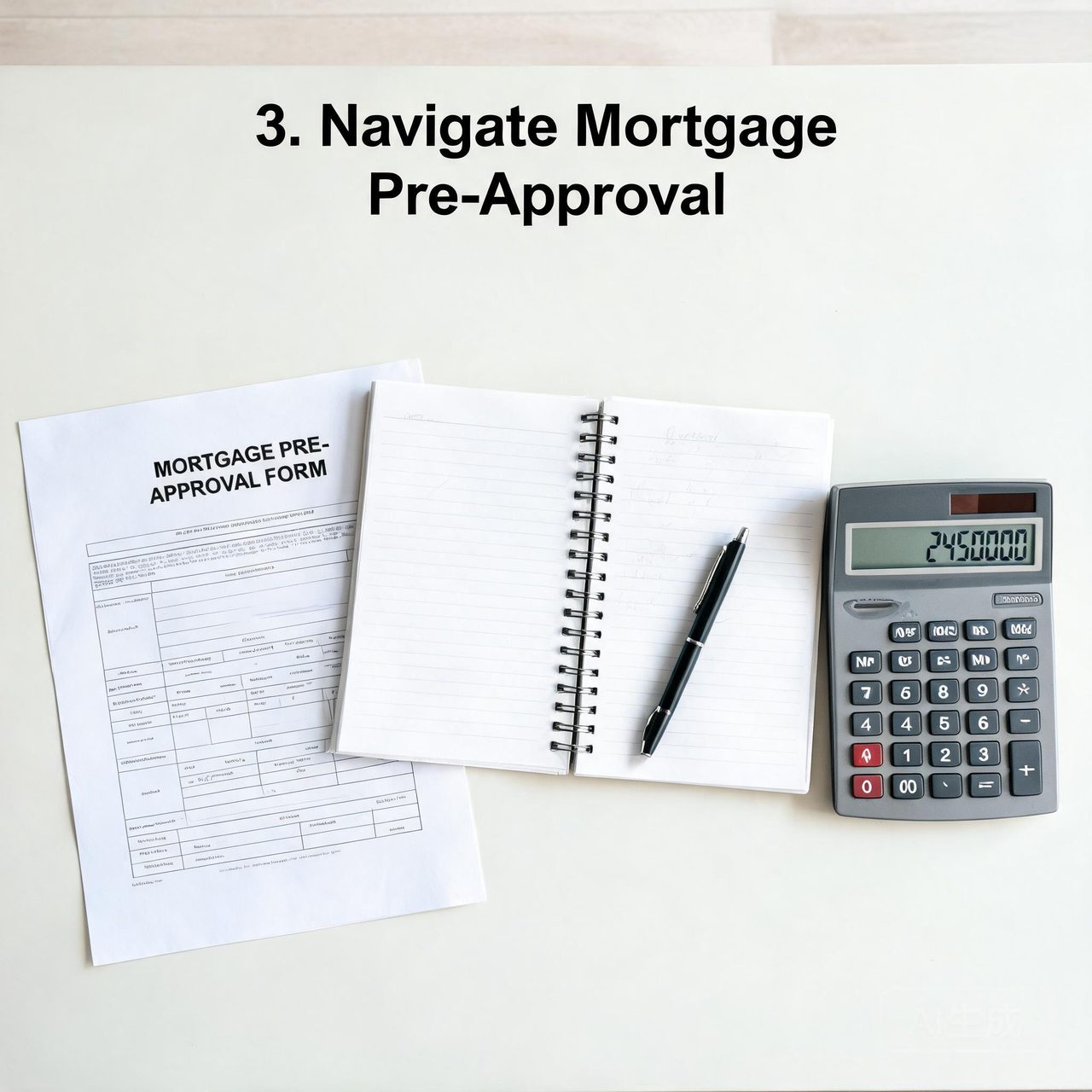
3. Navigate Mortgage Pre-Approval: Stand Out in a Competitive Market
In 2026’s competitive housing market, pre-approval isn’t just a suggestion—it’s a necessity. Sellers often prioritize offers from pre-approved buyers because it proves you have the financial backing to follow through. A pre-approval letter is a formal commitment from a lender stating how much they’re willing to lend you, based on a thorough review of your credit, income. And assets. Unlike a pre-qualification, which is a quick estimate, pre-approval requires submitting documents like pay stubs, tax returns. And bank statements.
To get the best pre-approval terms, shop around with at least three lenders: a traditional bank, a credit union. And an online mortgage lender. Each may offer different interest rates, fees. And loan products. In 2026, adjustable-rate mortgages (ARMs) are making a comeback, as they often start with lower interest rates than fixed-rate loans. However, ARMs come with the risk of rate increases after the initial fixed period (usually 3-10 years), so weigh this carefully if you plan to stay in the home long-term. Once you receive pre-approval, keep the letter current—most are valid for 60-90 days. And you’ll need to update it if your financial situation changes.

4. House Hunting in 2026: Find a Home That Fits Your Budget and Needs
House hunting in 2026 requires a mix of flexibility and clarity. Inventory remains tight in many urban and suburban areas, so you may need to compromise on certain features to stay within your budget. Start by creating a “needs vs. wants” list. Needs are non-negotiable: a certain number of bedrooms for your family, proximity to public transit or schools, or a home in a flood zone-free area. Wants are nice-to-haves: a backyard, updated kitchen, or home office.
Working with a local real estate agent who specializes in first-time buyers is a smart move in 2026. They have insider knowledge of upcoming listings, can help you navigate bidding wars. And can negotiate on your behalf. In a competitive market, be prepared to act fast—many homes receive multiple offers within 24-48 hours of being listed. Get pre-approved before you start viewing homes. And consider writing a personal letter to the seller explaining why their home is perfect for you; this can help your offer stand out among cash buyers or higher bidders.

5. Make an Offer and Negotiate the Deal
Once you find a home you love, it’s time to make an offer. Your real estate agent will help you determine a fair price by comparing the home to similar properties (comps) that have sold in the area in the last 3-6 months. In 2026, many markets still favor sellers, so you may need to offer at or above the asking price to compete. However, don’t overextend yourself—stick to your pre-approved budget to avoid financial stress down the line.
Your offer should include more than just a price. Contingencies are clauses that protect you if certain conditions aren’t met. Common contingencies include a home inspection contingency (which allows you to back out or negotiate repairs if issues are found), a financing contingency (which lets you cancel the deal if you can’t secure a mortgage). And an appraisal contingency (which ensures the home is worth at least the offer price). In a competitive market, some buyers waive contingencies to make their offer more attractive, but this comes with big risk—only do so if you have the cash to cover unexpected costs.
6. Finalize Your Loan and Prepare for Closing
After your offer is accepted, you’ll move into the loan processing phase. Your lender will order an appraisal to confirm the home’s value and verify your financial information one last time. Be responsive to their requests for additional documents—delays can push back your closing date, which could result in losing the home or paying extra fees. You’ll also receive a Closing Disclosure at least three business days before closing, which outlines the final loan terms, interest rate. And closing costs. Compare this to the Loan Estimate you received earlier to ensure there are no unexpected changes.
Before closing, do a final walkthrough of the home to make sure all repairs were completed as agreed and that the home is in the same condition as when you made the offer. You’ll also need to prepare the funds for closing, which typically include the down payment, closing costs. And prepaid items like property taxes and homeowners insurance. In 2026, most closings are done digitally, but some still require an in-person meeting with a title agent or attorney. Bring a government-issued ID and a cashier’s check or wire transfer for the closing funds.
7. Settle In and Build Long-Term Wealth
Congratulations—you’re a homeowner! The first few weeks in your new home will be busy, but take time to celebrate this milestone. Once you’re settled, focus on building equity and protecting your investment. Make extra mortgage payments when possible to reduce the principal and save on interest over the life of the loan. In 2026, with interest rates above 6%, even an extra $100 per month can shave years off a 30-year loan.
Regular home maintenance is also key to preserving your home’s value. Create a maintenance schedule for tasks like changing air filters, cleaning gutters. And inspecting the roof. Set aside 1-2% of your home’s value annually for unexpected repairs, like a broken water heater or leaky plumbing. Finally, consider making small upgrades over time—like replacing outdated fixtures or painting walls—that can boost your home’s value without breaking the bank.
FAQs: Your Most Pressing 2026 First-Time Homebuyer Questions Answered
1. Can I buy a home in 2026 with a low credit score?
Yes, but your options will be limited. Conventional loans typically require a credit score of at least 620, but government-backed FHA loans allow scores as low as 580 with a 3.5% down payment. If your score is below 580, you may still qualify for an FHA loan with a 10% down payment. Keep in mind that lower credit scores will result in higher interest rates, so it’s worth taking time to boost your score before applying if possible. You can also work with a credit counselor to develop a plan to improve your credit.
2. How much should I save for closing costs in 2026?
Closing costs typically range from 2-5% of the home’s purchase price. For a $350,000 home, that’s $7,000-$17,500. Closing costs include fees for the appraisal, title insurance, loan origination. And pre-paid items like property taxes and homeowners insurance. Some sellers may agree to cover a portion of closing costs, especially if the market is slower in your area. You can also ask your lender about no-closing-cost loans, but these usually come with higher interest rates to offset the fees.
3. Is it better to get a fixed-rate or adjustable-rate mortgage in 2026?
It depends on your plans. Fixed-rate mortgages offer stability, with the same interest rate and monthly payment for the life of the loan—ideal if you plan to stay in the home for 10+ years. Adjustable-rate mortgages (ARMs) start with a lower interest rate for an initial period (3-10 years) but can increase after that. ARMs may be a good option if you plan to sell or refinance before the rate adjusts, or if you expect interest rates to drop in the future. Be sure to calculate the potential monthly payment after the initial period to ensure you can afford it.
4. What is private mortgage insurance (PMI). And when can I cancel it?
PMI is required for conventional loans with a down payment of less than 20%. It protects the lender if you default on the loan. PMI typically costs 0.5-1% of your loan amount annually, added to your monthly mortgage payment. You can request to cancel PMI once you have 20% equity in your home, either through paying down the principal or home value appreciation. Some lenders automatically cancel PMI when you reach 22% equity. FHA loans require mortgage insurance premiums (MIP) for the life of the loan unless you put down 10% or more, in which case MIP can be canceled after 11 years.
5. How long does the homebuying process take in 2026?
On average, the homebuying process takes 30-45 days from the time you make an offer to closing. However, this can vary depending on the market, loan type. And any issues that arise during the inspection or appraisal. In competitive markets, you may spend several weeks or months house hunting before finding a home that fits your budget. Pre-approval can take 3-7 days. And loan processing typically takes 2-3 weeks. To speed up the process, gather all required documents in advance and respond quickly to your lender’s requests.
6. Should I buy a fixer-upper as my first home?
Fixer-uppers can be a great option for first-time buyers in 2026, especially if you’re handy or willing to do some renovations. They often cost less than move-in-ready homes. And you can customize the space to your needs. However, fixer-uppers come with risks—unexpected repairs can be costly. And the renovation process can be stressful. If you’re considering a fixer-upper, get a thorough home inspection to identify potential issues. And consider a renovation loan like an FHA 203(k) loan, which combines the purchase price and renovation costs into one mortgage.
Recommended Resources for First-Time Homebuyers
To help you use homebuying process, consider these trusted resources:
Buying your first home in 2026 isn’t easy, but it’s achievable with careful planning, patience. And the right guidance. By laying a strong financial foundation, saving strategically. And working with experienced professionals, you can use market and find a home that fits your budget and needs. Remember, homeownership is a long-term investment—take your time, do your research. And celebrate every
Get the Finance Hub Newsletter
Join 10,000+ readers. Get weekly personal finance tips.
Subscribe Free