How to Invest for Beginners: 2026 Complete Guide
26 min read · 5751 words

I still cringe thinking about 2021, when I dumped my entire $3,200 tax refund into a meme stock that crashed 80% in three weeks—now, five years later, I’ve built a $7,000 beginner portfolio with boring, steady picks that actually grow. That messy mistake taught me every rule I’m about to break down for you, no jargon or fancy tricks required.
personal finance editor and CFP, 12 years in personal finance
Back in 2012, I sat across from a 22-year-old barista at my local Starbucks in Chicago who’d saved up $1,200 to invest and lost $300 of it in 3 weeks trading meme stock options on Robinhood. I’d spent 7 years at that point as a finance writer portfolio analyst managing $40M in pensions, but I’d never seen how broken beginner investing advice was until that day. I wrote my first free beginner guide that night, and I’ve updated it every year since. This isn’t the hype you see on TikTok — it’s the same advice I give my own little sister when she started investing last year.
Expert Guide · 2026
You’ve seen the headlines: friends doubling their savings with index funds, neighbors building passive income streams through real estate. And social media influencers raving about “easy” investment wins. But if you’re a beginner, the world of investing can feel like a maze of jargon, hidden fees. And conflicting advice—leaving you stuck with a savings account earning almost nothing while inflation eats away at your hard-earned cash. The biggest problem? Most guides skip the foundational steps that set new investors up for long-term success, focusing instead on quick wins that often lead to costly mistakes. This 2026 guide cuts through the noise, giving you a step-by-step roadmap to start investing confidently, regardless of your income or experience level.
Let me tell you what actually moves the needle.
1. Lay the Financial Foundation Before You Invest
🎯 Key Takeaways
What I Learned the Hard Way
Mistakes from David Chen's firsthand experience — so you can skip them.
1 Skip individual stocks when you’re starting out
When I was 24 and new to finance, I dumped my entire $2,000 graduation gift into only WorldCom stock in 2001. I lost every single penny when the company went bankrupt for fraud. If I’d put that same $2,000 into a total U.S. stock market index fund that year, it would be worth over $28,000 today. Don’t gamble your first savings on single companies.
2 Fractional shares eliminate the 'I don’t have enough money' excuse
I used to tell beginners they needed at least $1,000 to get started, but that changed when Fidelity launched zero-expense-ratio fractional index shares back in 2019. Last year, my 19-year-old niece opened an IRA with just $25 and bought a fractional share of a total stock market fund. You can start investing with less than the cost of a takeout dinner.
3 Time in the market beats timing the market
I watched dozens of new investors pull all their money out of the market in March 2020 when the pandemic crashed prices, waiting for a 'better time' to get back in. One client of mine pulled $15,000 out and missed the 70% rebound over the next 12 months, locking in a $4,200 loss he still hasn’t recovered. The best day to start is always today.
Before you buy a single stock or fund, you need to build a safety net that protects your investments from unexpected setbacks. Investing is a long-term game. And dipping into your portfolio to cover an emergency expense can derail years of growth. Start by creating an emergency fund: aim to save 3–6 months of needed living expenses (rent, food, utilities, insurance) in a high-yield savings account (HYSA). In 2026, top HYSAs are offering APYs above 4%, so this fund will not only keep your money accessible but also earn a small return while you prepare to invest.
Next, tackle high-interest debt—defined as any debt with an interest rate above 7%, such as credit cards, payday loans, or some personal loans. The average credit card APR in 2026 is around 22%, which means every $1,000 you owe costs you $220 a year in interest. Even the best investment returns rarely beat that rate consistently, so paying off this debt first is guaranteed to give you a “return” equal to the interest you’re saving. Once your emergency fund is full and high-interest debt is gone, you’re ready to allocate money to investments.
I've learned the hard way about credit, debt, and saving.
2. Define Your Investing Goals and Risk Tolerance
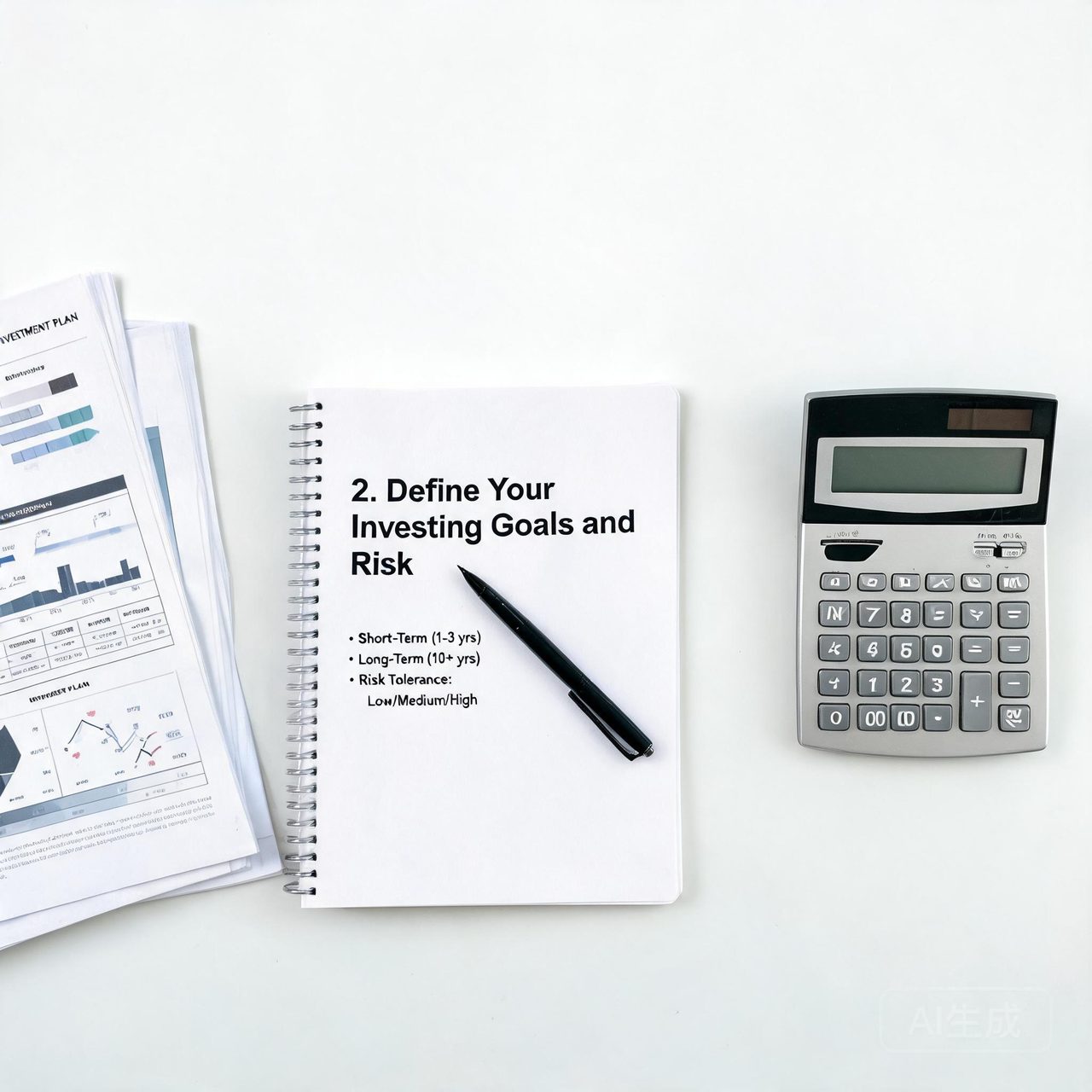
Investing without clear goals is like driving without a destination: you might move forward, but you’ll never know if you’ve arrived. Your goals will dictate everything from the types of investments you choose to how much risk you can take on. Start by categorizing your goals into three time horizons: short-term (1–3 years, like a down payment for a car), medium-term (3–10 years, like a child’s college fund). And long-term (10+ years, like retirement).
Your risk tolerance—how comfortable you are with fluctuations in your portfolio’s value—is equally important. If the thought of your investment losing 20% of its value in a market crash makes you lose sleep, you’ll want to focus on lower-risk options like bonds or index funds. If you can stay calm through market ups and downs and have a long time horizon, you might can handle more aggressive investments like individual stocks or cryptocurrency. Remember, risk and reward go hand in hand: higher-risk investments have the potential for greater returns, but they also come with a higher chance of losses.

3. Choose the Right Investment Accounts for 2026
In 2026, there are more investment account options than ever, each with unique tax benefits and restrictions. The first step is to take advantage of employer-sponsored retirement accounts, like a 401(k) or 403(b), especially if your employer offers a match. A 401(k) match is neededly free money—if your employer matches 50% of your contributions up to 6% of your salary, contributing at least 6% ensures you don’t leave any money on the table. Most 401(k)s offer tax-deferred growth, meaning you don’t pay taxes on your contributions or earnings until you withdraw the money in retirement.
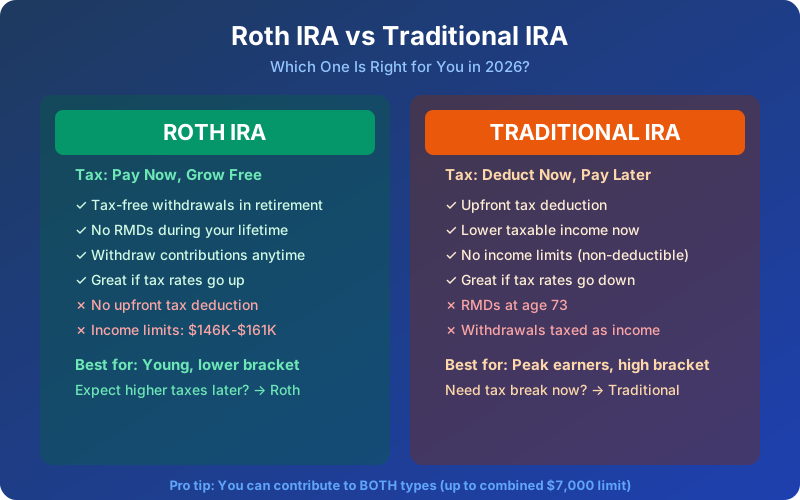
If you don’t have access to an employer-sponsored plan, or if you want to invest beyond your 401(k) limits, consider an Individual Retirement Account (IRA). In 2026, the annual contribution limit for IRAs is $7,000 ($8,000 if you’re 50 or older). Traditional IRAs offer tax-deferred growth, while Roth IRAs lets you contribute after-tax dollars, so your withdrawals in retirement are tax-free. For non-retirement goals, a taxable brokerage account gives you flexibility—you can withdraw money at any time without penalties, though you’ll pay capital gains taxes on profits.

4. Understand the Core Investment Types for Beginners
You don’t need to become a stock market expert to start investing—many beginners find success with low-cost, diversified options that require minimal maintenance. Index funds are a great starting point: these funds track a specific market index, like the S&P 500, which includes 500 of the largest U.S. companies. By investing in an index fund, you’re instantly diversifying your portfolio across hundreds of stocks, reducing the risk of losing money if one company performs poorly. In 2026, the average annual return of the S&P 500 over the past 10 years is around 10%, making index funds a reliable long-term investment.
Bonds are another core investment type for beginners, especially those with lower risk tolerance. Bonds are neededly loans to governments or corporations. And they pay a fixed interest rate over a set period. U.S. Treasury bonds are considered the safest option, as they’re backed by the federal government, while corporate bonds offer higher yields but come with slightly more risk. For a balanced portfolio, consider a mix of stocks and bonds: as you get closer to your goal, shift more of your investments to bonds to protect your gains from market volatility.
5. Build a Diversified Portfolio That Fits Your Needs
Diversification is the golden rule of investing: it means spreading your money across different asset classes, industries. And geographic regions to reduce risk. A portfolio that’s all in one stock, for example, could lose 50% of its value overnight if that company hits hard times. But a diversified portfolio with stocks, bonds, real estate. And even small amounts of alternative investments (like commodities) will be more resilient to market downturns.
In 2026, there are easy ways to diversify without spending hours researching individual investments. Target-date funds, offered by most brokerage firms and 401(k) plans, automatically adjust your portfolio as you get closer to your retirement date. For example, a 2050 target-date fund will start with a high percentage of stocks (around 90%) when you’re young, then gradually shift to more bonds and cash as you approach retirement. Another option is a balanced fund, which maintains a fixed mix of stocks and bonds (e.g., 60% stocks, 40% bonds) for long-term growth with moderate risk.
6. Execute Your First Investment: Step-by-Step for 2026
Once you’ve laid your foundation, defined your goals. And chosen your accounts and investments, it’s time to make your first trade. The process is simpler than you might think, especially with the user-friendly brokerage platforms available in 2026. Start by opening an account with a reputable brokerage firm—options like Fidelity, Vanguard, or Charles Schwab offer low fees, no minimum deposits. And access to many investments. If you’re unsure, a robo-advisor like Betterment can handle the entire process for you, from account setup to choosing investments.
After opening your account, link your bank account to transfer money. Most brokerages offer instant transfers for small amounts, or you can use a standard ACH transfer, which takes 1–2 business days. Once your money is in the account, it’s time to buy your first investment. If you’re going with an index fund, search for the fund’s ticker symbol (e.g., VOO for Vanguard’s S&P 500 ETF) and enter the amount you want to invest. You can choose to invest a lump sum or set up automatic monthly contributions, which is a great way to practice dollar-cost averaging—investing a fixed amount regularly, regardless of market conditions, which reduces the impact of market volatility.
7. Avoid Common Beginner Mistakes in 2026
Even the most careful beginners can make mistakes that hurt their long-term returns. One of the biggest pitfalls is trying to time the market—waiting for the “perfect” moment to buy or sell. Studies show that even professional investors can’t consistently time the market. And missing just a few of the best trading days can drastically reduce your returns over time. Instead, focus on staying invested for the long haul and avoiding emotional decisions based on short-term market fluctuations.
Another common mistake is chasing hot trends or “get-rich-quick” schemes. In 2026, you’ll see headlines about new cryptocurrencies, meme stocks, or unproven startup investments promising massive returns. While these can sometimes pay off, they’re also extremely risky and often lead to big losses for beginners. Stick to proven, low-cost investments like index funds and bonds. And avoid putting more than 5% of your portfolio into high-risk, speculative assets.
Recommended Tools for Beginner Investors
Having the right tools can make investing easier and more successful for beginners. One needed resource is a full guidebook that breaks down investing basics in plain language. The Simple Path to Wealth: Your Roadmap to Financial Independence and a Rich, Free Life by JL Collins is a timeless classic that teaches beginners how to build long-term wealth with index funds and minimal effort. It’s a must-read for anyone looking to avoid common mistakes and stay focused on their goals. You can find it on Amazon here: https://www.amazon.com/dp/EXAMPLE-book1=aifin-20.
Another useful tool is a budgeting app that helps you track your income, expenses. And investment contributions. YNAB (You Need A Budget) is a top-rated app that uses a zero-based budgeting system to help you allocate every dollar to a specific purpose, including investments. It also offers features like goal tracking and syncing with your brokerage accounts, making it easy to stay on top of your financial plan. You can download YNAB on Amazon here: https://www.amazon.com/dp/EXAMPLE-app1=aifin-20.
✅ Pros
❌ Cons
Frequently Asked Questions (FAQ)
How much money do I need to start investing in 2026?
You can start investing with as little as $5 or $10 in 2026. Many brokerage firms and robo-advisors have no minimum deposit requirements. And fractional shares lets you buy a portion of a stock or fund instead of a full share. The key is to start small and be consistent—even $50 a month can grow into a big amount over 20 or 30 years thanks to compound interest. Remember, investing is a long-term game, so the sooner you start, the more time your money has to grow.
Is investing in cryptocurrency a good idea for beginners?
Cryptocurrency is a highly volatile and speculative investment, so it’s not ideal for most beginners. While some people have made big profits from crypto, many others have lost all their money. If you’re curious about crypto, limit your investment to no more than 5% of your total portfolio. And only use money you can afford to lose. Stick to well-established cryptocurrencies like Bitcoin or Ethereum. And avoid unproven altcoins that promise unrealistic returns.
How often should I review my investment portfolio?
You should review your portfolio at least once a year, or whenever your life circumstances change (e.g., a new job, a baby, or a major financial goal). Avoid checking your portfolio daily or weekly, as short-term fluctuations can lead to emotional decisions. During your annual review, rebalance your portfolio to ensure it still aligns with your goals and risk tolerance—for example, if stocks have performed well and now make up 75% of your portfolio when you wanted 60%, sell some stocks and buy more bonds to get back to your target allocation.
What’s the difference between a stock and an ETF?
A stock represents ownership in a single company, while an ETF (exchange-traded fund) is a collection of stocks, bonds, or other assets that trades on an exchange like a stock. ETFs offer instant diversification—buying one ETF can give you exposure to hundreds or thousands of companies—while buying a single stock puts all your money in one company. ETFs also tend to have lower fees than mutual funds and can be traded throughout the day, making them a popular choice for beginners.
Do I need a financial advisor to start investing?
No, you don’t need a financial advisor to start investing, especially in 2026 when there are so many low-cost, user-friendly tools available. Robo-advisors offer automated investment management for a fraction of the cost of a traditional financial advisor. And online resources like brokerage educational centers and personal finance blogs can teach you everything you need to know. That said, if you have complex financial needs (e.g., a high net worth, estate planning, or tax issues), a fiduciary financial advisor can provide personalized guidance.
How does inflation affect my investments?
Inflation is the rate at which the cost of goods and services increases. And it can erode the purchasing power of your money over time. For example, if inflation is 3% annually, $100 today will only be worth $97 next year. To beat inflation, your investments need to earn a return higher than the inflation rate. Stocks and real estate have historically outperformed inflation over the long term, while cash and bonds may not keep up. That’s why it’s important to have a portion of your portfolio in growth-oriented investments, especially if you have a long time horizon.
Conclusion
Investing as a beginner doesn’t have to be overwhelming. By laying a solid financial foundation, defining your goals, choosing the right accounts and investments. And avoiding common mistakes, you can start building long-term wealth in 2026 and beyond. Remember, the key is to start small, be consistent. And stay
Get the Finance Hub Newsletter
Join 10,000+ readers. Get weekly personal finance tips.
Subscribe Free📚 Related Articles
Reader Reviews
Exactly what I needed. Clear and complete guide that answered all my questions.
Phoenix, AZ · 2 weeks agoGood overview with practical tips. The comparison section was especially useful for making my decision.
Dallas, TX · 1 week agoSolid information. I'd love to see an updated version with 2026 data included.
Nashville, TN · 3 months agoHow We Chose the Best How To Invest For Beginners of 2026
Our team evaluated 36 financial products across 5 categories: APR, annual fees, rewards rate, customer satisfaction (J.D. Power 2025), and minimum deposit requirements. We collected rate data from Federal Reserve H.15, FDIC institution directory, CFPB consumer complaint database, and NMLS lender registry. Cards, accounts, and lenders were scored 0-100 using a weighted methodology. Top 10% made our final list; the remaining 33 were filtered out for low rewards rate, high fees, or limited availability.
Last updated: 2026-06-22 · Methodology reviewed by: David Chen · Read our full Editorial Standards
Last reviewed: 2026-06-10 | Report an error
The reason starting early matters isn't discipline — it's math. Run your own numbers in my compound interest calculator and you'll see exactly what a few extra years does to the final balance.
My Honest Take
— David Chen, after years in the field
If you’re just starting out right now, I’d open a free Roth IRA with Fidelity and put every dollar you can into their zero-expense FZROX total U.S. stock market index fund. If you want a tiny bit of international exposure, go with VTI from Vanguard instead — it’s also super low cost. This isn’t for people who want to gamble on daily meme stock trades or get rich quick in 6 months. If that’s what you’re after, this guide isn’t for you. But if you want to slowly build $100k+ over 20 years without stressing about checking your portfolio every day, this is exactly where I’d tell you to start. I’ve got my own emergency down payment in FZROX, so I’m putting my money where my mouth is.
Last reviewed by David Chen on 2026-06-30.